How to Spot Gutter Damage After Heavy Rain in Leesburg Heights
Heavy rain has a way of showing you what your house has been hiding.
A gutter system can look perfectly fine on a dry afternoon, then reveal every weak point the moment a Florida storm rolls through. In Leesburg Heights, that matters. Central and North Florida deal with intense summer rainy periods, tropical-storm season, humidity, and the kind of runoff that turns a small clog into a fast overflow. If you have pine needles on the roof, oak leaves in the yard, or a mix of both, your gutters are under more pressure than they appear to be.
I’ve seen the same pattern over and over. A homeowner notices a splash near the front entry, a wet stripe on the fascia, or mulch washing out of a flower bed. At first it seems minor. Then the next storm comes through, and suddenly water is pouring over the edge in two places, dripping behind the gutter in another, and pooling near a downspout that is no longer moving water away from the house the way it should.
The good news is that gutter damage after heavy rain usually leaves clues. If you know what to look for, you can catch problems earlier, before a small repair turns into a larger project.
Why heavy rain exposes gutter problems so quickly
A gutter system has one basic job, to catch roof runoff and guide it to downspouts so the water leaves the roofline in a controlled way. That sounds simple until a Florida downpour hits all at once.
During storm prep and seasonal maintenance, UF/IFAS advises clearing needles, leaves, and other debris from roofs and gutters because gutters and storm drains can clog quickly. That warning lines up with what homeowners here deal with every year. Pine needles knit themselves together. Oak leaves flatten into a soggy mat. Acorns and twigs settle into corners and downspout openings. Once that buildup gets wet, water stops flowing cleanly and starts searching for the nearest escape route.
That is usually when damage shows up. Not because the storm created a brand-new issue in one hour, but because the storm put enough volume into the system to expose an old weakness.
Start with what you can see from the ground
You do not need to climb a ladder to spot the first signs. In fact, the safest and smartest first inspection is from the ground, ideally the same day as the storm or the morning after.
Look up at the gutters along the roof edge. A healthy run usually appears straight and even. Damage often shows itself through subtle shape changes. One section may dip lower than the next. Another may pull away from the fascia slightly. You may see staining underneath, or a darker band where water has been escaping repeatedly.
Then look down. The ground tells its own story. If one area beneath the gutter is much wetter than the rest, or if you see trenches in mulch, washed-out soil, or splatter marks on siding, the system probably overflowed there. Downspouts should move water away in a controlled path. If a downspout discharges right beside the foundation area and the soil stays saturated, that is another sign the drainage is not doing its job well enough.
In places where homeowners search for help using terms like downspout drainage Newberry FL or gutter repair Wildwood FL, the problem often begins with these simple visual clues. The names vary by town, but the warning signs are remarkably consistent.
The most common signs of gutter damage after a hard rain
Some symptoms point to clogs, others to physical damage, and many homes have a combination of both. After a storm, pay close attention to these signs:
- water spilling over the front or back edge of the gutter
- drip lines or stains on the fascia or exterior wall
- sagging sections or corners that no longer look level
- standing water still visible in the gutter after the rain has passed
- loose or noisy downspouts, especially if they rattle in wind or during runoff
Overflow is the one most people notice first. If water pours over the edge during heavy rain, the gutter may be packed with debris, undersized for the roof area, improperly pitched, or partially blocked at the downspout opening. The exact cause takes a closer look, but the symptom itself should never be ignored.
Stains on wood trim or siding matter too. Water that repeatedly escapes behind the gutter can leave dark streaks, peeling paint, or a damp-looking strip under the roofline. Even if the gutter itself does not seem dramatically bent, those stains suggest the water path is no longer where it belongs.
A sagging section usually means extra weight, weak fastening, or both. In Florida’s wet season, organic buildup gets heavier fast. Debris that seems light when dry becomes a different load once saturated. Florida code materials also make it clear that gutters and leaders need to be securely fastened with corrosion-resistant fasteners. If the attachment points are failing, a storm often makes that obvious.
What clogged debris looks like in Florida yards
Florida debris has its own personality. It does not behave like a few loose autumn leaves in a drier climate.
Pine needles are one of the biggest troublemakers because they tangle and hold together. Instead of washing through easily, they can bridge across openings and trap smaller debris behind them. Oak leaves are another headache, especially when wet. They pack down, stay damp, and cling to gutter bottoms. Acorns and seed litter add weight and can settle near outlet points.
UF/IFAS has also noted that leaves, pine needles, and yard debris should be kept out of gutters and storm drains. Beyond clogging your own drainage, that material can wash into the stormwater system and contribute to pollution. Live oak leaves and acorns are specifically documented as a source of stormwater nutrient pollution in Florida, which makes routine cleanup more than just a curb appeal issue.
This is one reason gutter cleaning Fruitland Park FL and similar searches spike around rainy stretches. The need is practical. Debris loads build up fast here, and once the water starts carrying organic material around, both the house and the surrounding drainage suffer.
Overflow is not always just a cleaning problem
A lot of homeowners assume overflow means the gutters only need to be cleaned. Sometimes that is exactly right. Sometimes it is only part of the answer.
If the system is clean and still overflowing, you may be dealing with sizing, pitch, or layout issues. Gutters and downspouts must be sized and discharged in accordance with Florida code requirements. That does not mean every home in Leesburg Heights needs the same setup. Roof area, roof shape, and where the water is supposed to go all affect performance.
That is where conversations about gutter sizes for Florida homes become useful. Bigger is not automatically better, but undersized components can struggle during intense rain. Likewise, a style that works well on one roofline may not perform the same on another. Homeowners comparing options such as K-style gutters Lady Lake FL or seamless gutters Ocala FL are often really trying to solve one of two problems, either repeated overflow or too many leak-prone connection points.
Seamless systems can reduce joints along long runs, which means fewer places for water to escape. K-style profiles are commonly discussed because they handle roof runoff differently than some rounded shapes. But the key point is judgment, not trend. A contractor should be looking at the actual house, not just recommending whatever is most commonly sold.
Check the downspouts as carefully as the gutters
A gutter can only work as well as its exit points. If the trough fills but the downspout cannot carry water out efficiently, the whole system backs up.
After heavy rain, inspect each downspout from top to bottom. Look for obvious bends, separation at joints, looseness where it meets the wall, and discharge areas that stay muddy or eroded. If one downspout area is dramatically wetter than the others, that may mean it is carrying too much load, or that the water is not being moved far enough away after it leaves the spout.
This is where local drainage language matters. When people talk about downspout drainage Newberry FL, they are usually dealing with the end of the water path, not just the start. A perfectly clean gutter still causes trouble if the discharge point creates pooling near the house or repeatedly dumps into the same saturated patch of soil.
You do not need to diagnose every technical detail yourself. You just need to notice when runoff behaves differently from one corner of the house to another.
Watch for damage behind the gutter, not just inside it
One of the easiest things to miss is water getting behind the gutter rather than into it. After a storm, look at the fascia board and the underside near the roof edge. If you see fresh staining, dampness, or paint beginning to bubble or peel, the gutter may be pulling away or the runoff may be bypassing the intended channel.
This kind of problem often hides in plain sight because the front lip of the gutter still looks intact from a distance. Up close, though, the attachment may be loose, or the section may have twisted enough that water no longer lands where it should.
Florida’s humidity does not help. Anything that stays damp tends to stay damp longer, which makes repeated wetting more noticeable over time. A brief afternoon storm might not leave a dramatic mark, but a week of heavy rain often will.
When gutter guards help, and when they do not
Homeowners with pines overhead often ask about protection options, especially gutter guards for pine needles Florida. The question makes sense. Pine needles are light, abundant, and relentless.
Guards can help reduce how much debris enters the gutter, but they are not a magic fix. The real trade-off is maintenance pattern, not maintenance elimination. Some covers keep larger leaves out while allowing smaller debris to collect on top or at edges. Certain setups may still need inspection after storms, especially if the roof is surrounded by needles, oak litter, or small seed debris.
The practical standard I use is simple. If a guard system helps the gutter continue moving water during heavy rain and makes cleaning easier, it may be worth it. If it creates a false sense of security and still allows buildup at critical points, it solves less than people hope.
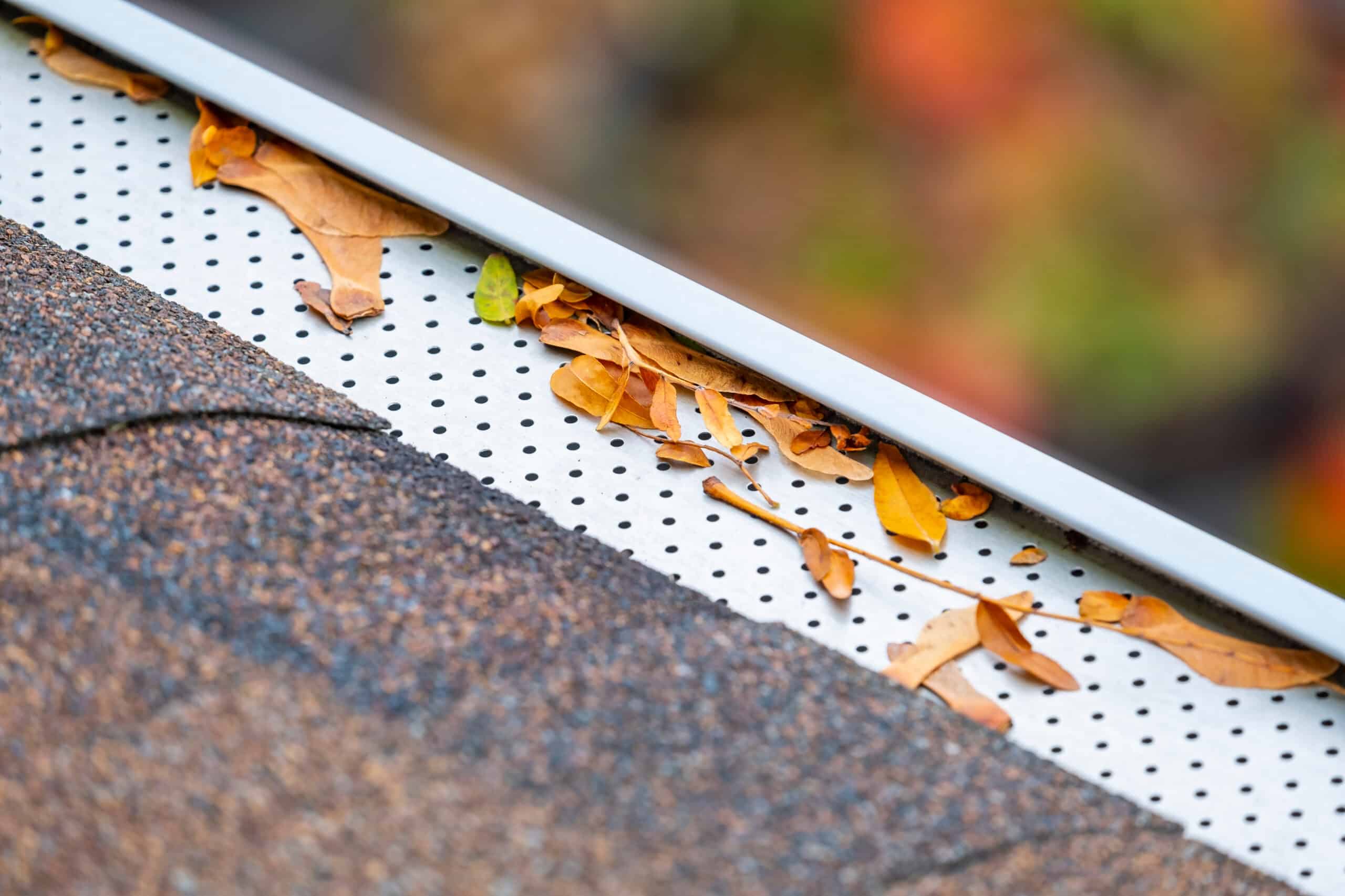
The worst approach is installing guards and then never checking the system again.
What to do the day after a storm
After a heavy rain event, there is a short window when problems are easiest to spot. The evidence is still fresh, but conditions are safer than they are during the storm itself.
Here is a simple post-rain check:
- walk the full perimeter and note any overflow marks
- inspect downspout discharge areas for pooling or washout
- look for sagging, separation, or fresh stains along the fascia
- check for debris visible from the ground at corners and outlets
- take photos so you can compare changes after the next storm
Photos are more useful than most people realize. A gutter that sags a little in June may sag a lot more by August, but memory is unreliable. Side-by-side pictures make it easier to tell whether a section is gradually failing or simply looked that way all along.
Repair or replace, how to think it through
Not every damaged gutter needs full replacement. Some problems are localized. A loose downspout strap, a small separated joint, or a clogged outlet may be a straightforward fix. That is where searches like gutter repair Wildwood FL often begin, and rightly so.
Other times, repeated repairs start to add up without solving the core issue. If the system is older, poorly sized, badly pitched, or failing in several places at once, replacement may be the smarter move. Homeowners looking into gutter replacement Gainesville FL are often at that crossroads. They are not just fixing one leak, they are trying to stop a pattern.
The decision usually comes down to three questions. Is the problem isolated or repeated? Is the gutter still structurally sound? Is the current design actually appropriate for the roof and rain load it handles?
Material choice enters the conversation too. Aluminum gutters Central Florida homeowners often consider are popular for a reason, but the right recommendation should still be based on the house, the exposure, and the condition of the existing system. Code guidance also matters here, since exterior gutters and leaders are required to be constructed of approved materials and securely fastened.
Don’t ignore the debris on the ground, either
One detail people overlook is what happens to the debris once it leaves the roof. Leaves, pine needles, and acorns often collect not check it out only in gutters, but also around splash areas, drains, and low spots in the yard. UF/IFAS guidance points out that leaf litter and yard debris should be kept out of gutters and storm drains, and it also encourages using fallen leaves and pine needles on-site as mulch rather than letting them wash away.
That advice is practical in a neighborhood setting. If stormwater keeps moving debris off hard surfaces and into drains, the problem just shifts downstream. Good gutter maintenance works best when the surrounding yard drainage is also kept clear.
A homeowner may think the gutters failed, when in reality the gutters discharged properly but the receiving area was already blocked with yard waste. In a wet Florida summer, these systems overlap.
Preparing for the next storm matters as much as reacting to the last one
The best storm ready gutters Florida homes have are not necessarily the newest or most expensive ones. They are the ones that are clean, sound, properly fastened, and able to discharge water where it needs to go.

That usually means paying attention before the worst weather arrives. If your property has pines, live oaks, or regular leaf drop, inspections should happen more often during rainy stretches. Summer organic buildup can become a real issue quickly, and maintenance guidance for stormwater systems specifically calls for cleaning gutters and downspouts as needed and removing organic buildup, especially in summer.
That timing matters. Cleaning once and forgetting about it for the rest of the season is often not enough in this part of Florida.
Choosing help without getting sold the wrong fix
If you decide to bring in a professional, focus less on the sales pitch and more on the diagnosis. Hiring a gutter contractor Florida homeowners can trust starts with asking how they identified the problem. A good contractor should be able to explain whether the issue is debris, slope, fastening, discharge, sizing, or some mix of those factors.
They should also be willing to discuss trade-offs. If a contractor recommends larger gutters, ask why the current size is struggling. If they suggest guards, ask how those guards perform with pine needles and oak litter. If they push full replacement, ask which portions of the existing system are failing and whether any parts are still salvageable.
The quality of the explanation often tells you more than the estimate itself.
A house usually gives more than one warning
By the time a gutter visibly pours over the edge, there were often earlier clues. A little staining. A slight sag. A wet patch below one corner after every storm. None of those signs guarantee a major problem on their own, but together they form a pattern.
That pattern is worth paying attention to in Leesburg Heights, where heavy rain can test your drainage system fast. Keep the roof edge clear, watch how water behaves during and after storms, and do not brush off changes that repeat. Gutters rarely fail silently forever. They usually tell you what is wrong, just in small ways at first.
If you catch those signals early, you have more options. Sometimes it is a cleaning. Sometimes it is a targeted repair. Sometimes the fix is rethinking the whole setup so the next storm has less to prove.
