How Tropical Moisture and Heavy Downpours Impact Gutters in the Lady Lake Area
Anyone who has lived through a Florida summer in or around Lady Lake knows the pattern. The air feels heavy by late morning, clouds start building, and then a burst of rain can hit hard enough to turn a calm afternoon into a fast-moving drainage test for the whole house. In this part of the state, gutters do not deal with occasional bad weather. They deal with repeated soaking, humid conditions, and rain events that can dump a lot of water in a short stretch of time.
That matters because a gutter system is only as good as its ability to move water away from the roofline when conditions are at their worst. A light shower can make almost any setup look fine. Tropical moisture and intense downpours tell the truth.
For homeowners in Lady Lake, The Villages, Leesburg, Ocala, Gainesville, and the surrounding parts of Central and North Florida, the real challenge is not simply getting gutters installed. It is choosing and maintaining a system that can handle wet-season rain, debris from nearby trees, and the kind of year-round humidity that speeds up wear when small issues are ignored.
Why this area puts gutters under pressure
Central and North Florida have a rain pattern that creates a very specific kind of gutter stress. Warm-season thunderstorms are common, and summer rain is often driven by sea breezes and tropical moisture. That combination means water does not always arrive gently or predictably. It can arrive in bursts, with enough force to overwhelm undersized, clogged, or poorly sloped gutters.
Humidity adds another layer. Even when it is not raining, moisture hangs in the air. Gutters stay damp longer, debris stays wet longer, and blockages turn into compacted masses instead of dry material that blows out easily. Pine needles mat together. Oak leaves break down into a dense layer. Small twigs and seed debris catch more material behind them. Once that process starts, the next heavy rain pushes water over the gutter edge instead of through the downspouts.
In neighborhoods with mature trees, especially live oaks and pines, this gets more complicated. Oak leaves and acorns are common troublemakers. Pine needles are even trickier because they slide into seams, corners, and downspout openings. Small limbs after windy weather can create a partial dam that does not look serious from the ground but cuts flow enough to trigger overflow during the next storm.
This is why gutter maintenance Florida homeowners can count on should never be based on appearance alone. A gutter can look acceptable in dry weather and still fail exactly when the rain turns intense.
What heavy downpours actually do to a gutter system
A lot of people picture gutter failure as a dramatic break or a section falling off the house. That can happen, but more often the problems are gradual and a little sneaky.

During a heavy downpour, water hits the roof fast and concentrates along the eaves. If the gutter cannot accept and carry that volume, one of several things tends to happen. Water overshoots the gutter. Water backs up behind trapped debris. Water spills at low spots where the pitch is off. Or the downspouts simply cannot clear fast enough because the outlet is partially blocked.
When tropical moisture feeds repeated storms, those short-term overflows become long-term wear. Fast-moving water can wash out soil below the drip line. Splashing near the foundation keeps lower walls and planting beds wetter than they should be. Mulch shifts. Leaves and roof grit collect where runoff lands. On lanais, walkways, and entry areas, that constant overflow can create slick spots and staining.
In homes around gutters The Villages FL homeowners often rely on, one of the biggest practical complaints is not that the whole system failed. It is that one corner or one stretch near a valley cannot keep up when the sky opens up. That usually points to a local issue, not necessarily a total replacement. It may be a clog, an alignment problem, or a capacity mismatch. The key is catching it before a rainy stretch turns a repairable issue into widespread fascia or soffit damage.
Tropical moisture changes the debris problem
Rain alone is not the whole story. Tropical moisture changes how debris behaves inside the gutter.
Dry leaves are one thing. Wet leaves mixed with pine needles, acorns, shingle grit, and small twigs are another. Once debris stays damp for days in humid weather, it compacts. That compacted mass slows water, traps more material, and often starts growing a thin organic layer that is difficult to flush out with casual rinsing.
This is especially relevant in areas with dense landscaping and mature canopies. UF/IFAS guidance has long emphasized keeping plant debris out of runoff paths because it clogs drainage and affects water quality. At the house level, that same principle applies to gutters. If yard debris enters the roof drainage path and is left there through wet weather, performance drops fast.
I have seen this pattern play out in homes where owners cleaned once in spring and assumed they were set for the season. Then a few summer storms passed, a burst of oak litter came down, and the next hard rain sent water straight over the front gutter. Nothing dramatic happened all at once. The system just lost its margin for error.
That is where gutter cleaning Leesburg FL and gutter cleaning and repair Ocala FL services become more than convenience. In this climate, cleaning is not cosmetic. It is part of storm readiness.
Why seamless gutters matter more in rain-prone climates
When homeowners start comparing systems, the conversation usually shifts quickly to seamless gutters, and for good reason. In a region known for humidity and frequent rainfall, fewer joints generally mean fewer opportunities for leaks and fewer places for debris to snag.
Traditional sectional gutters have more connection points. Every connection is a place where wear can show up over time. In mild conditions, that might be manageable. In a wet, storm-prone climate, those weak spots get tested over and over. That is why homeowners looking at seamless gutter seamless gutters for Florida homes installation Leesburg FL or seamless gutters Gainesville FL often do so after they have already lived with recurring leaks at seams or recurring clog points near joints.
Seamless systems do not eliminate maintenance. That is a misunderstanding worth clearing up. Leaves still fall, pine needles still gather, and downspouts still need to move water freely. But a well-installed seamless system removes some of the failure points that become obvious during hard rain.
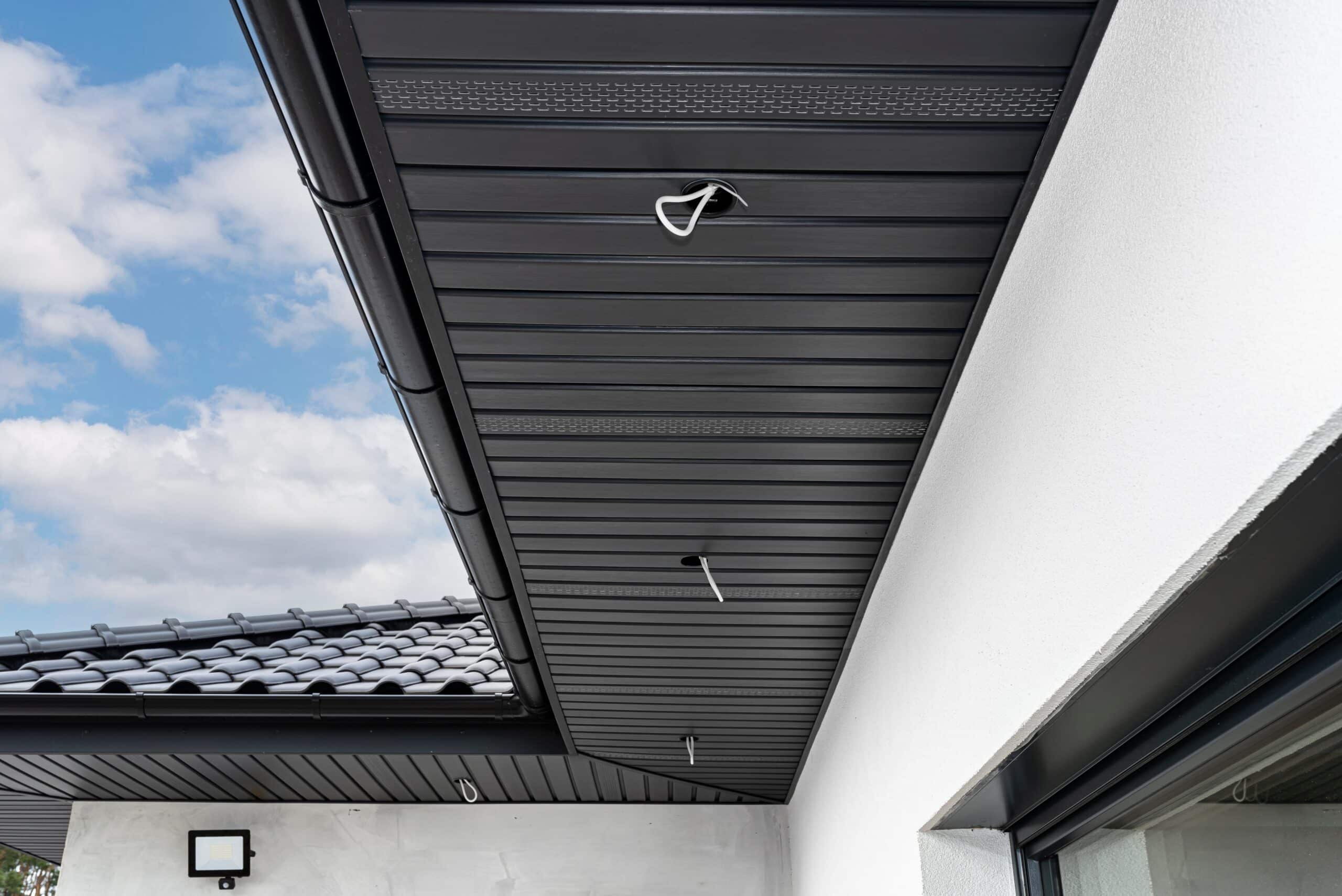
The installation itself matters just as much as the product. A gutter that is not sized and pitched properly can underperform no matter how new it is. A qualified gutter contractor Central Florida homeowners trust should be looking at rooflines, runoff concentration, downspout placement, and areas where water naturally accelerates, not simply attaching metal along the fascia and calling it done.
The hidden role of downspouts during Florida storms
Most gutter conversations focus on the horizontal sections because that is what people see. But in a heavy downpour, the downspouts often determine whether the whole system works.
If a gutter catches water effectively but cannot empty fast enough, it still overflows. A partially blocked downspout is enough to create backup during a strong storm. So is poor outlet placement where debris tends to settle before it drops into the downspout. In some homes, one side of the roof may send significantly more runoff to a section than the owner realizes, especially near valleys and roof transitions.
This is one reason professional gutter repair Gainesville FL services often involve more than patching a leak. Sometimes the real issue is water routing. Sometimes a section needs re-sloping. Sometimes the downspout path needs correction because the gutter itself is not the main bottleneck.
A good repair diagnosis in Florida should always ask one question first: what happens during the heaviest rain, not what happens during average rain?
Gutter guards can help, but they are not all the same
Homeowners often ask whether gutter guards solve the wet-season problem. They can help, but only when expectations are realistic.
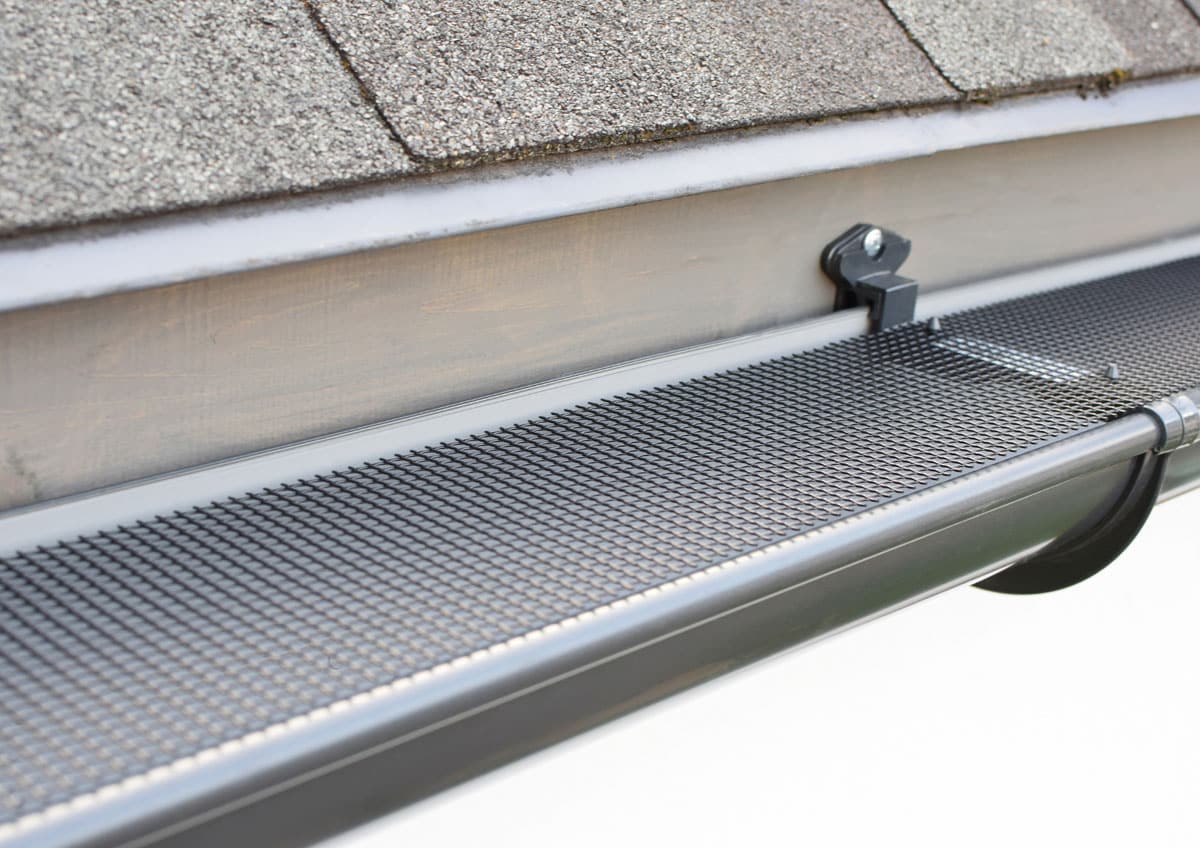
There are several common styles on the market, including brush, foam insert, mesh screen, micro-mesh, PVC covers, and reverse-curve designs. Each has trade-offs. Some do a decent job keeping out larger leaves but still allow fine debris through. Some handle leaf drop well but struggle when pine needles are the main issue. Some reduce cleaning frequency but still need periodic inspection, especially after storms or heavy shedding from nearby trees.
In Central Florida, where a roof may deal with both broadleaf debris and needle-like debris, product choice should be based on the specific tree cover around the home, not just on marketing claims. A house under live oaks has a different debris profile than a house near pines. A screened system that performs adequately in one yard may underperform in another only a few streets away.
That is why gutter guard installation Central Florida homeowners consider should start with an honest look at the site. The same goes for gutter guards Gainesville FL projects. The best result usually comes from matching the guard style to the local debris pattern and accepting that even guarded gutters still need occasional service.
A few signs that your gutters are losing the battle
Most failing gutters give warnings before they create expensive problems. The trick is noticing those warnings during or right after a rain event, when the evidence is easiest to see.
- Water spilling over the front edge in one or more sections
- Drips or streams appearing at seams, corners, or end caps
- Downspouts that trickle when they should be moving water strongly
- Wet soil trenches, mulch displacement, or splash marks below the eaves
- Debris visible at the top edge, especially packed leaves or pine needles
One practical tip that helps homeowners a lot is to step outside during a steady rain, if it is safe, and watch how the system behaves for a minute or two. You do not need a ladder to learn quite a bit. A gutter that is carrying water evenly looks very different from one that is backing up, surging, or spilling at specific trouble spots.
Lady Lake homes often deal with a mix of conditions
The Lady Lake area sits in a zone where homeowners can face both inland thunderstorm patterns and broader tropical rain influence over the course of the warm season. That means gutter systems need to handle repeated smaller storms and occasional periods of much heavier rainfall. The wear is cumulative.
Two homes on the same block may also have very different maintenance needs. One may be mostly exposed and collect little debris, while another sits under mature oaks and fills up quickly after a windy afternoon. This is why a one-size-fits-all service schedule rarely works. The roof shape, tree cover, and amount of shade all influence how fast a gutter goes from clear to compromised.
This is also where local experience matters. A company handling gutter installation North Florida or service work across Leesburg, Lady Lake, Ocala, and Gainesville sees enough variation to recognize those patterns. They know that tree debris is not a minor seasonal nuisance here. Combined with humidity and high-volume rain, it becomes the central maintenance issue for many properties.
Repair or replace? The answer depends on what the rain is revealing
Not every problem means the system has reached the end of the road. Sometimes a cleaning and a minor adjustment restore full function. Other times repairs start adding up because the original system was never ideal for the house or climate.
If overflow is caused by compacted debris, cleaning may solve it. If a section leaks at a joint or corner, a targeted repair may be enough. If the gutter is pulling away from the fascia in isolated spots, re-securing and correcting pitch might buy plenty of additional life.
But if the same issues keep returning through every wet season, replacement starts making more sense. Recurrent seam leaks, poor drainage across multiple runs, and chronic overflow in heavy rain often point toward a system that is no longer a good match for current conditions. That is where seamless gutter installation becomes attractive, especially for homeowners who are tired of chasing the same failures every summer.
A good gutter contractor Central Florida residents rely on should be willing to explain the trade-off honestly. Repair is less expensive in the short term when the underlying structure is still sound. Replacement makes more sense when repairs only treat symptoms and do not improve storm performance.
Timing matters more than many homeowners think
If there is one mistake people make repeatedly in Florida, it is waiting until peak rainy conditions are already underway. Once frequent thunderstorms settle in, service schedules tighten, and small issues become urgent very quickly.
The most useful times to inspect or service a gutter system are usually tied to weather patterns and debris cycles, not just the calendar.
- Before the wet season intensifies
- After heavy leaf or pine needle drop
- After storms that leave small limbs or visible roof debris
- When overflow appears during a rain event
- Before adding gutter guards or planning a replacement
That rhythm tends to work better than a rigid once-a-year approach. Some homes truly can get by with light maintenance. Others need more attention because tree debris loads are simply heavier. The house will tell you which category it falls into if you watch what happens during rain.
What homeowners should expect from professional service
Whether the job is gutter cleaning Leesburg FL, gutter repair Gainesville FL, or gutter cleaning and repair Ocala FL, the value of professional service is not just labor. It is diagnosis.
A thorough service visit should do more than scoop out leaves. It should identify where water is slowing, where pitch may be off, where connections are wearing, and whether a guard system would genuinely help or merely create a different maintenance issue. In a climate like this, service decisions need to be based on performance under stress, not on what looks tidy from the driveway.
For homeowners considering seamless gutters Gainesville FL or a broader upgrade, installation quality matters every bit as much as the material choice. Properly fitted seamless gutters can reduce leak-prone joints and improve reliability, but only if the layout accounts for runoff volume and debris behavior. That calls for real field judgment.
It also helps when the contractor understands that Florida homes often need a practical balance, not a perfect-sounding sales pitch. Some owners want the lowest-maintenance setup possible because they travel seasonally. Others are willing to schedule regular cleanings if it means keeping an existing system in service longer. Both approaches can be reasonable when matched to the right property.
The bigger picture around the house
Gutters are often treated as an isolated component, but they affect more than roof drainage. When water is not controlled well, surrounding beds collect debris and runoff. Organic matter breaks down in places it should not. Drainage paths around the property can carry leaves, needles, and sediment into areas where they clog flow. In Florida landscapes, keeping that material out of runoff paths is simply good practice.
That is one reason consistent gutter maintenance Florida homeowners invest in tends to pay off beyond the gutters themselves. Cleaner flow at the roof edge means less splash, less displaced mulch, less debris concentrated around foundations and walkways, and fewer headaches when the next storm rolls in.
In a dry climate, gutters can coast for a while. Around Lady Lake, that is a risky habit. Tropical moisture, humid air, and sudden hard rain expose weak spots quickly. The homes that handle those conditions best usually have three things in common: gutters that fit the house, downspouts that move water freely, and maintenance done before the next downpour forces the issue.
For many homeowners, that may mean scheduling cleaning before summer storms stack up. For others, it may mean asking whether an aging sectional system should give way to seamless gutter installation Leesburg FL or seamless gutters Gainesville FL options better suited to repeated wet-season stress. For still others, it may mean exploring gutter guard installation Central Florida solutions with clear eyes about what guards can and cannot do.
The weather in this region is not gentle on gutters, but it is predictable in one important sense. The rain will come, and when it does, it will test every weakness. A gutter system that is clean, properly pitched, and suited to local debris has a much better chance of passing that test quietly. That is really the goal, not flashy hardware, just a system that works when Florida weather stops being polite and starts doing what it does best.
Larry's Gutters
Leesburg location
1720 Leesburg Commons Ct, Suite 2
Leesburg, FL 34748
Phone: (352) 460-0450
Gainesville location
1024 S Main St, Bldg B
Gainesville, FL 32601
Phone: (352) 460-0450
Website: https://larrysgutters.com