Preparing Gutters for Tropical Storm Season in Ocala
Tropical storm season has a way of exposing every weak point in a gutter system. A gutter that looks fine through a dry stretch can suddenly spill over at the corners, pull away from the fascia, or send water straight to the foundation once the heavy summer rains start rolling across Ocala. Around Central and North Florida, that pattern is familiar. Rain comes hard, debris moves fast, and any small maintenance issue turns into a wet mess in a hurry.
That is why gutter prep is not just another item on a home maintenance calendar. It is part of getting the whole house ready for months of intense rain, humidity, and stormwater. University of Florida guidance on storm preparation is clear about one point that homeowners often underestimate: roofs, gutters, and storm drains need to be cleared of needles, leaves, and other debris before storms arrive. If they are clogged, the water has nowhere useful to go.
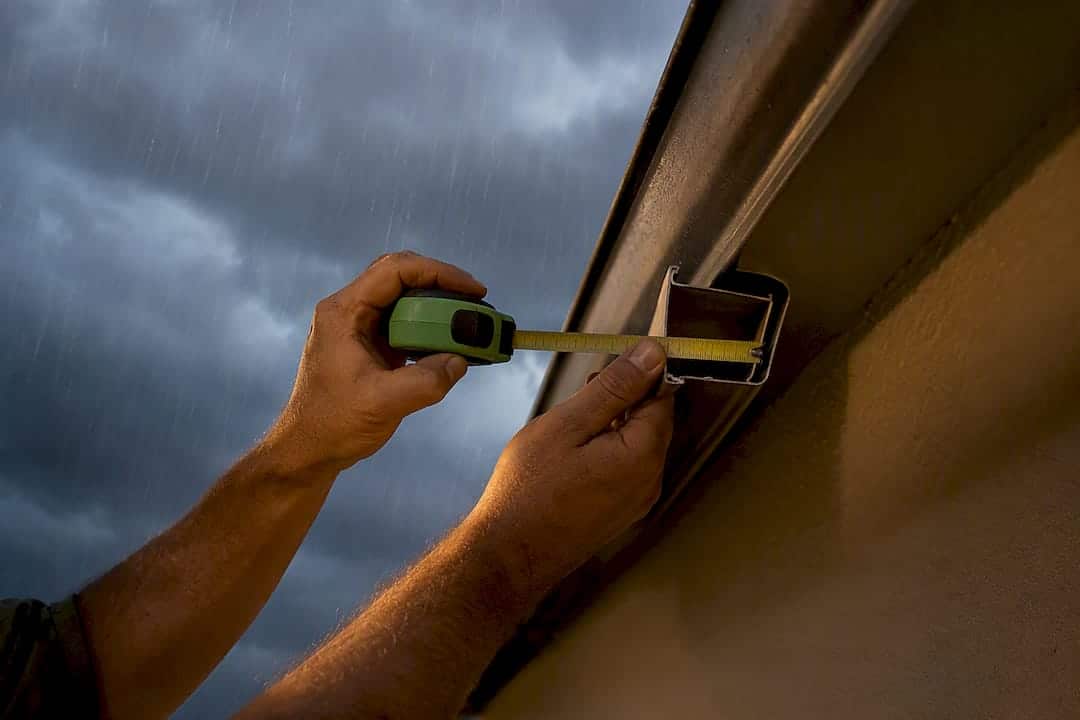
I have seen the same thing play out again and again. A homeowner assumes the downspouts are working because water came through during the last shower. Then the first serious band of rain hits, and a half-packed elbow or a mat of oak leaves in the trough becomes the bottleneck. The gutter fills, the overflow sheets down the wall, and the soil at the base of the house turns to soup. It is rarely one dramatic failure. More often, it is neglect plus weather, and Florida weather is rarely forgiving.
Why Ocala homes need a different level of gutter attention
Florida’s rainy season is not gentle, and tropical systems add another layer of stress. Even without a named storm directly overhead, feeder bands and long periods of heavy rain can dump more water on a roof than an average gutter setup can handle if it is partially blocked. That is the real issue. A gutter does not have to be completely clogged to fail. It only needs enough leaves, pine needles, seed pods, or roof grit to slow the flow when rainfall ramps up.
The debris profile here matters, too. Oak leaves and acorns build up quickly, and pine needles are their own special headache. Needles do not always create a big obvious pile. They weave together, catch smaller debris, and form a dense layer that keeps water from reaching the outlet cleanly. Florida landscape guidance has long pointed out that fallen leaves and pine needles should be kept on site and used as mulch rather than allowed to wash away. That advice is practical for homeowners and useful for drainage. If the material is not in the gutter or the storm drain, it is less likely to create a backup when you need flow the most.
There is also an environmental side that often gets overlooked. Leaf litter and yard debris do not just disappear when rain carries them off the roof. In Florida, runoff can move organic material into waterways, and live oak leaves and acorns are recognized contributors to nutrient pollution in stormwater. So when you clean a gutter before storm season, you are not only protecting fascia boards and landscaping beds. You are also keeping debris out of places it should never have reached.
The most common weak spots before a storm
A lot of people picture gutter trouble as one thing: a full channel packed with leaves. That does happen, but more often the trouble starts at transition points. Corners, outlets, downspout elbows, and the lower end of a long run tend to show problems first. Water moves quickly during a downpour, and any spot that interrupts that movement becomes a pressure point.
Seams deserve special attention. A small seam leak can look harmless in light rain. Under storm conditions, that same gap can produce a steady sheet of water running down soffit and siding. This is one reason many homeowners look into seamless gutters Ocala FL contractors offer. A seamless run does not solve every problem, and it still needs cleaning and proper pitch, but reducing the number of joints can reduce leak points.
Hangers and fasteners are another place where minor wear turns into a major issue. Florida code materials require gutters and downspouts to be properly sized and discharged, built of approved materials such as metal or approved plastic, and securely fastened with corrosion-resistant fasteners. That sounds dry on paper, but in the field it matters. A gutter that is only slightly loose in spring can sag under the extra weight of standing water and storm debris by late summer.
What to clean, and what to leave alone
Pre-storm gutter work should be deliberate, not rushed. The goal is to restore clear flow from roof edge to discharge point. That means cleaning the horizontal runs, checking the outlets, and making sure downspouts are not carrying a hidden plug halfway down.
A useful storm-season prep pass usually includes:
- Removing leaves, pine needles, acorns, and roof grit from the gutter trough
- Flushing water through each run to confirm it reaches and exits the downspout
- Checking elbows and lower downspout sections for packed debris
- Clearing nearby storm drains and ground-level discharge areas of loose yard waste
- Moving the collected debris to an on-site use such as mulch, rather than letting it wash away
That last point is worth stressing. Tossing gutter debris into a spot where the next rain can carry it into the street defeats the whole purpose. If the material is clean enough for landscape use, keeping it on site as mulch aligns with Florida landscape guidance and helps prevent runoff problems.
One thing I advise homeowners not to do is start making random changes in the middle of a storm warning. Tropical storm prep is the wrong time to experiment with improvised screens, stuffed outlet strainers, or splash blocks placed wherever they fit. If a fix has not been tested in ordinary rain, it may fail in severe weather.
Gutter size matters more than many people think
Homeowners often ask about gutter sizes for Florida homes only after they have had repeated overflow. That is understandable. Most people never think about capacity until they see water spilling over the front edge.
I would be careful about claiming one universal “right” size, because proper sizing depends on the roof area, layout, and how the system is designed to discharge. What is defensible, and consistent with Florida code guidance, is that gutters and downspouts need to be sized and discharged correctly for the building. If the system is undersized for the amount of roof water it needs to manage, no amount of cleaning will fully solve overflow during peak rainfall.
This is where local judgment helps. A home with broad roof planes, long gutter runs, and only a few downspouts may need a more serious evaluation than a smaller house with shorter runs and better drainage paths. If you have ever watched one section overflow while another section stays nearly empty, that is a clue the problem may not be simple debris alone. Capacity, pitch, and outlet placement may all be part of it.
The style of gutter also shapes performance. K-style gutters Lady Lake FL homeowners often choose are popular because they fit many home styles and can carry a good amount of water for their profile. But style by itself is not a guarantee. Installation quality, support spacing, and discharge design matter just as much as the gutter shape.
Material choices in Central Florida weather
Material conversations can get opinionated fast, but some basics are practical. In this region, metal gutters are common, and aluminum gutters Central Florida homeowners use are often chosen because they are lightweight and widely available. Material alone does not determine whether a system is storm ready. The fastening, alignment, maintenance, and drainage plan all have to work together.
Corrosion resistance is not a minor detail in humid, rain-heavy conditions. Fasteners and support hardware need to hold up, not just the gutter body itself. A decent-looking gutter can fail because the hardware gave up first. If a contractor replaces only a visible damaged section but ignores worn mounting points along the same run, the repair may not age well.
For older systems, the better choice is sometimes repair and sometimes replacement. The line between gutter repair Wildwood FL homeowners seek and gutter replacement Gainesville FL homeowners end up needing usually comes down to overall condition. If the channels are solid, the pitch is recoverable, and the problem is localized, repair may make sense. If multiple runs leak, sag, or drain poorly, a patchwork approach can get expensive without truly fixing storm performance.
Downspouts are where storm prep succeeds or fails
If gutters are the collection system, downspouts are the release valve. You can have clean troughs and still have major trouble if the downspouts cannot move water out and away. This is where many homeowners in the region run into repeat problems. The gutter gets cleaned, but the lower elbow is still packed tight, or the outlet discharges into an area that puddles immediately and backs water toward the house.
When people talk about downspout drainage Newberry FL concerns, they are usually getting at a real issue: disposal matters just as much as collection. Water needs a clear path once see more it leaves the roofline. If the downspout empties into a mulch bed that has built up too high, into a blocked surface drain, or into a low spot holding yard debris, the system is only doing half the job.
I always tell homeowners to watch one full rain if they can do so safely from under cover. Not a light shower, a real summer rain. You learn more in ten minutes of observation than from staring at dry gutters from the driveway. Does water shoot cleanly from the downspout? Does it pool immediately? Does one elbow drip steadily at the seam? Does runoff carry oak litter toward the curb? Those are the clues that shape the right fix.
Pine needles change the maintenance equation
Pine needles deserve their own section because they behave differently from broad leaves. They slide off roofs in batches, tangle together, and form mats that can sit flat in the gutter while still blocking flow underneath. A homeowner looks up and sees an opening at the top, so it appears clear. Meanwhile the outlet is bridged over with wet needles and sludge.
That is why gutter guards for pine needles Florida homeowners consider need a realistic evaluation, not a sales pitch. Guards can help in some settings, especially where the goal is reducing large debris entry, but no guard is magic. Fine material can still accumulate on top of certain systems or work its way inside, and some designs make cleaning more awkward when maintenance is finally needed. The right question is not whether a guard means “never clean again.” It is whether a guard will improve performance and reduce clogging for your specific roof and tree mix.
For homes surrounded by pines, the honest answer is often that guards can reduce the frequency of heavy cleanouts but do not eliminate maintenance. In that scenario, the best result comes from pairing a sensible guard choice with scheduled inspections before and during storm season.
Signs your gutter system is not ready
Some warning signs are obvious. Others are easy to dismiss until a tropical system arrives and amplifies them. If you notice several of these, your gutters probably need attention before the next stretch of heavy weather:
- Water spilling over the front edge during ordinary summer rain
- Damp streaks or drip lines at seams and corners
- Visible plant growth, dark sludge, or packed pine needles in the trough
- Downspouts that trickle weakly instead of discharging forcefully
- Sections that sag or pull away from the fascia
None of those symptoms should be filed under “normal for Florida.” Frequent rain may make gutter problems common, but common does not mean harmless. Overflow can erode beds, stain exterior surfaces, and keep the perimeter of the house wetter than it should be.
Cleaning timing makes a big difference
One cleaning in spring is not always enough in this part of the state. Summer growth, storms, and tree drop can refill a gutter system quickly. UF and IFAS maintenance guidance for stormwater infrastructure specifically notes that gutters and downspouts should be cleaned as needed and that organic buildup deserves attention, especially in summer. That “as needed” language matters because the right schedule depends on the property.
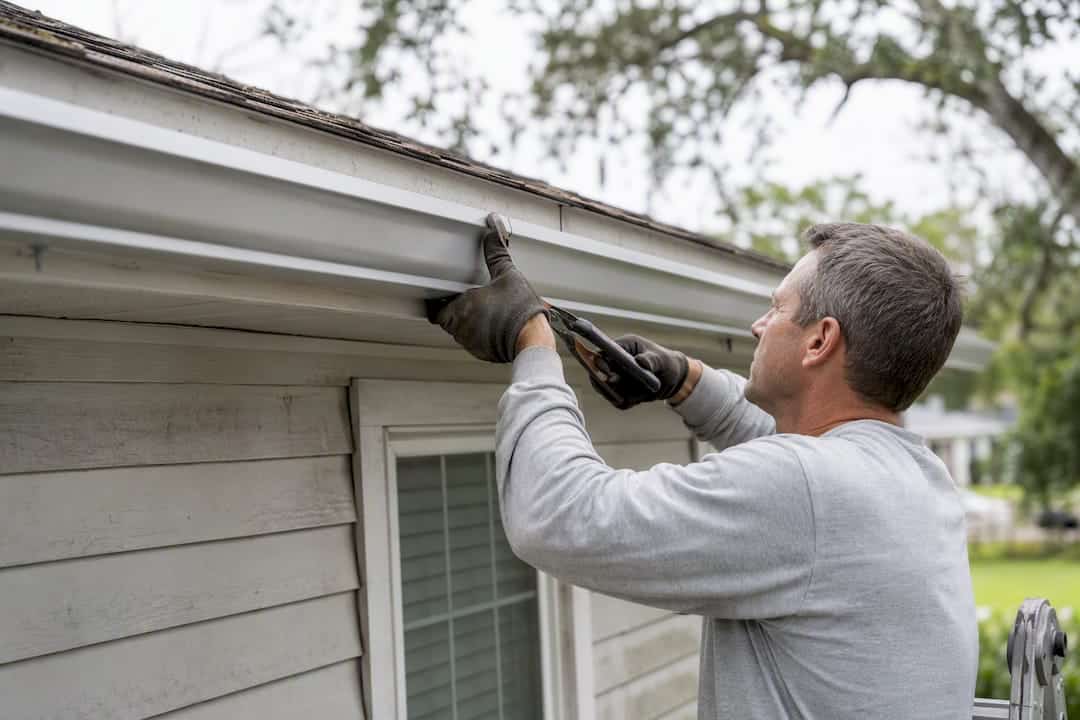
A heavily treed lot may need checks several times during the wet season. A more open lot may need fewer. The mistake is assuming that every house can follow the same calendar. If your roof sheds onto gutters beneath pines or oaks, your maintenance cycle is going to be shorter than someone living on a clear lot.
I have seen homeowners save themselves a lot of trouble by doing one thorough pre-season service, then one or two simple visual checks after major rain events. Not every inspection turns into a full cleaning. Sometimes you only need to clear one trouble spot. But catching that trouble spot early is exactly what prevents a storm-night overflow.
Repair, replace, or upgrade
The toughest calls usually come after repeated problems. If the gutters are cleaned and still struggle, should you repair them, upgrade sections, or replace the whole system?
A repair makes sense when the issue is isolated and the rest of the system is sound. Maybe one corner leaks, one downspout has separated, or one run has lost pitch after a fastener issue. In those cases, targeted work can restore proper function.
Replacement becomes easier to justify when failures are widespread. If there are multiple leaking seams, recurring clogs from poor outlet placement, and sections that no longer hold alignment, starting over may cost more up front but save frustration during every rainy season after that. This is often when homeowners start comparing seamless gutters Ocala FL options or weighing material choices more carefully.
An upgrade can sit between those two paths. Sometimes adding or reworking discharge points, improving the downspout layout, or changing guard strategy solves the practical problem without a full tear-out. The right answer depends on what the water is actually doing in rain, not just how the gutters look from the ground.
Choosing help without getting talked into the wrong job
Hiring a gutter contractor Florida homeowners can trust comes down to a few plain questions. Do they look at the full water path, from roof edge to discharge area, or only the visible gutter run? Do they talk clearly about sizing, fastening, and drainage instead of jumping straight to a product pitch? Do they acknowledge maintenance realities, especially around pine needles and leaf litter?
A good contractor should also respect code-related basics. Gutters and downspouts need to be properly sized, securely fastened, and discharged appropriately. If someone is vague about those fundamentals, that is not a great sign.
For homeowners comparing services across the region, the wording may vary. One company may advertise gutter cleaning Fruitland Park FL service, another may specialize in gutter repair Wildwood FL, and another may focus on gutter replacement Gainesville FL. Those labels are useful, but what matters most is whether the person evaluating your home understands storm performance. A clean-looking install is not enough if it cannot manage real Florida rain.
What storm-ready actually looks like
Storm ready gutters Florida homeowners should aim for are not necessarily fancy. They are clear, solid, correctly supported, and able to move water from the roof to a sensible discharge point without backing up. They are maintained often enough to stay functional through the wettest months. They are not depending on luck.
That usually means the homeowner has done three things before the season gets serious. First, they have removed debris from gutters, downspouts, and nearby drains. Second, they have checked for sagging, leaks, or weak fastening before those issues worsen under load. Third, they have paid attention to where the water goes after it leaves the downspout.
That last point is where preparation feels less glamorous and more useful. A perfectly clean gutter still underperforms if the discharge area is choked with yard waste. Florida guidance consistently warns against letting leaf litter and debris wash into drains and waterways. So good storm prep means thinking beyond the gutter channel itself. The whole drainage path has to stay open.
For Ocala homeowners, that is the practical standard worth chasing. Not perfect gutters, just dependable ones. The kind that keep working when the sky opens up, the wind picks up, and the rain starts falling sideways.